Source Modern 2 Inch Venetian Blind for Living Room, Bedroom, Bathroom
Compare 30 listings for modern 2 inch venetian blind options featuring corded and cordless operation with light filtering capabilities. Buyers can evaluate slat widths, customization, and delivery times from suppliers in China; compare the available evidence and request quotations based on your requirements.
Key considerations
Products List






Comprehensive Sourcing Guide
Modern 2 Inch Venetian Blind Sourcing Guide
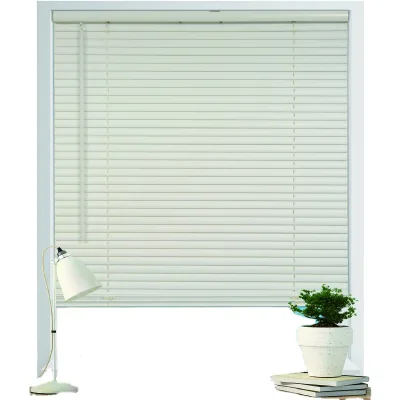
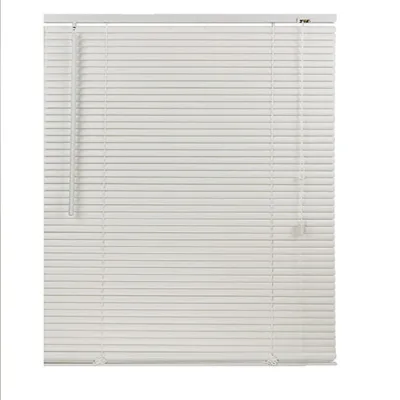
Sourcing modern 2 inch venetian blinds requires a strategic approach that balances aesthetic precision with functional reliability. These window treatments are defined by their horizontal slat structure, which offers a classic yet contemporary look suitable for various interior environments. Buyers must prioritize suppliers who demonstrate consistent manufacturing capabilities, particularly those with dedicated facilities for both component production and final assembly. The availability of customization options allows for tailored solutions, ensuring that the final product aligns perfectly with specific design requirements and spatial constraints.
The procurement process involves navigating a diverse market landscape where product attributes vary significantly across listings. Key differentiators include slat width, operation type, and light filtering capabilities, all of which impact the final user experience. Understanding these variables is crucial for making informed purchasing decisions. Buyers should focus on verifying technical specifications against their project needs, ensuring that the selected blinds meet both aesthetic and performance standards. This diligence helps in avoiding mismatches between supplier offerings and actual project requirements.
Product Scope and Observed Listing Signals
The market for modern 2 inch venetian blinds presents a wide range of options, with observed price points varying from $0.26 to $150 USD. This broad spectrum reflects differences in material quality, manufacturing complexity, and included features. Buyers should analyze these price ranges in conjunction with minimum order quantities, which typically span from 1 to 1000 units. Understanding this correlation helps in budgeting effectively and determining the most cost-effective sourcing strategy for both small-scale renovations and large commercial projects.
Listing signals indicate a strong emphasis on customization and variety. Suppliers often offer over 100 color swatches and multiple standard colors, allowing for precise interior coordination. The presence of models like CD-BD-061 and YMTC2025071902 suggests a structured product catalog with distinct identifiers. Buyers should use these model numbers to track specific configurations and ensure consistency across orders. Additionally, the availability of different slat widths, including 1, 2, and 2.5 inches, provides flexibility in achieving the desired visual effect and light control.
Technical Specifications to Verify
Verifying technical specifications is critical to ensuring the blinds meet functional requirements. Key attributes to confirm include slat width, thickness, and tolerance levels. For instance, slat widths of 2 inches (50mm) are common, with thicknesses ranging from 2.5mm to 3.0mm. Tolerances for width and thickness, such as +/-0.5mm and +/-0.2mm respectively, indicate manufacturing precision. Buyers should request detailed specification sheets to confirm these dimensions, as even minor deviations can affect the overall appearance and operation of the blinds.
Operation and control mechanisms are another vital area of verification. Options range from corded and cordless systems to manual bead slide and wand control types. The choice of operation type impacts ease of use and safety, particularly in households with children or pets. Additionally, light filtering properties, including blackout, semi-opaque, and light filtering options, should be matched to the room's purpose. For example, living rooms may benefit from semi-opaque blinds, while bedrooms might require blackout capabilities for optimal rest.
Compliance and Safety Documentation
Compliance and safety documentation are essential for mitigating risks associated with window covering procurement. Buyers should ensure that suppliers provide relevant safety certifications, particularly for corded blinds, which may pose entanglement hazards. While specific certification statuses are not detailed in the provided facts, buyers must verify that products meet local safety standards and regulations. This includes checking for compliance with child safety laws and ensuring that all components, including cords and wands, are securely attached and durable.
UV protection is another critical factor, with some products offering 85%-95% UV protection. This feature helps in preserving interior furnishings and reducing heat gain, contributing to energy efficiency. Buyers should inquire about the specific UV protection ratings and testing methods used by suppliers. Additionally, understanding the material composition and its resistance to fading, warping, or damage is important for long-term performance. Requesting material safety data sheets can provide insights into the chemical composition and environmental impact of the blinds.
Cost Drivers and Commercial Terms
Several factors influence the cost of modern 2 inch venetian blinds, including material quality, customization options, and order volume. Customization, such as specific colors or sizes, can increase production costs due to the need for specialized setups and materials. Buyers should negotiate clear pricing structures that account for these variables, ensuring transparency in cost breakdowns. Additionally, understanding the impact of minimum order quantities on pricing can help in optimizing procurement strategies, especially for bulk purchases.
Commercial terms, including delivery times and shipping arrangements, also play a significant role in total cost of ownership. Lead times, such as 20 days for 3000 square meters, should be factored into project planning to avoid delays. Shipping ports, like Shenzhen or Qingdao, can affect logistics costs and transit times. Buyers should clarify incoterms and shipping responsibilities to avoid unexpected expenses. Furthermore, monthly supply quantities, such as 300,000 pieces, indicate supplier capacity, which can be leveraged for larger orders with consistent quality.
Supplier Qualification and Quality Control
Supplier qualification is a crucial step in ensuring reliable procurement of modern 2 inch venetian blinds. Buyers should assess suppliers based on their manufacturing capabilities, including the number of factories and their specialization in components versus finished products. Suppliers with dedicated facilities for both aspects often demonstrate higher quality control standards. Additionally, verifying the supplier's experience in OEM/ODM services can indicate their flexibility and ability to meet custom requirements.
Quality control processes should be rigorously evaluated to ensure product consistency. Buyers should inquire about inspection protocols, including pre-production samples, in-process checks, and final random inspections. Understanding the supplier's approach to defect management and corrective actions is also important. Requesting references or case studies from previous clients can provide insights into the supplier's reliability and performance. Establishing clear quality expectations and communication channels helps in maintaining high standards throughout the procurement process.
Long-Term Procurement Checks
Long-term procurement checks involve monitoring supplier performance and product durability over time. Buyers should establish key performance indicators, such as on-time delivery rates, defect rates, and customer satisfaction scores, to evaluate supplier reliability. Regular audits and feedback sessions can help in identifying areas for improvement and strengthening the partnership. Additionally, tracking market trends and technological advancements in window coverings can inform future procurement decisions, ensuring that the blinds remain relevant and functional.
Sustainability and environmental considerations are increasingly important in long-term procurement strategies. Buyers should assess suppliers' commitment to eco-friendly practices, such as the use of recyclable materials and energy-efficient manufacturing processes. Understanding the end-of-life options for the blinds, including recycling or disposal, can also contribute to sustainable procurement. By prioritizing suppliers who align with these values, buyers can enhance their brand reputation and contribute to a more sustainable industry.
FAQs
What customization options are available for modern 2 inch venetian blind orders?
Customization is available for these blinds, allowing buyers to select from over 100 different color swatches. The standard color palette includes 35 options, but OEM and ODM services support tailored designs. Manufacturers in Shandong and China offer flexible production to meet specific interior decoration requirements for living rooms and bedrooms.
How does the light filtering performance of these blinds work?
These blinds offer versatile light filtering capabilities, including blackout and semi-opaque options. The slats provide 85% to 95% UV protection, making them suitable for various interior applications. Buyers can choose between light filtering and blackout styles depending on the room's lighting needs and privacy requirements.
What control types are offered for modern 2 inch venetian blind operation?
Operation types include corded, cordless, and manual bead slide controls. Control systems feature wand control or cord control mechanisms for easy adjustment. These options allow users to raise, lower, and tilt the slats efficiently, ensuring convenient management of light and privacy in living rooms and bedrooms.
What are the standard specifications for slat width and thickness?
The slat width is typically 2 inches, with options for 2.5 inches available. Slat thickness ranges from 2.5mm to 3.0mm, with a tolerance of +/-0.2mm for thickness and +/-0.5mm for width. These precise dimensions ensure consistent quality and proper fit for inside mount installations.
Can buyers source these blinds with specific packaging requirements?
Yes, packaging can be customized to meet buyer needs. Standard options include pearl cotton with cardboard boxes and wood crates, carton packages, or palletized shipping. These methods protect the blinds during transit from ports like Shenzhen or Qingdao, ensuring safe delivery to international destinations.
What is the typical lead time for bulk orders of these blinds?
The delivery time is approximately 20 days for orders of 3000 square meters. The monthly supply quantity reaches 300,000 pieces, indicating strong production capacity. Buyers should confirm specific lead times based on order volume and customization requirements to ensure timely project completion.